Belfast threw up an almighty shock on Friday. The hosts clinically dismantled the world champions by 34 runs at Stormont, and nobody saw it coming. Chasing 183 after Lorcan Tucker bludgeoned a brilliant half-century, the visitors collapsed dramatically to 148 all out. Abhishek Sharma’s rapid 20-ball 50 was the only real resistance. Matthew Humphreys and Matt Hollard bamboozled a stellar batting order with spin, while debutant Jai Moondra extracted unexpected bite from the Belfast deck.
This unexpected deficit leaves the tourists facing a must-win situation in the second fixture today, June 28, 2026. Panic stations? Not quite. But this tactical crisis forces immediate adjustments if they intend to square this short series.
1. Re-evaluating the opening blueprint
Persisting with the established World Cup-winning opening pair backfired massively against an energetic Irish new-ball attack. It was too predictable. Given that the management benched 15-year-old batting prodigy Vaibhav Sooryavanshi, the team lacked explosive fearlessness at the top of the order.
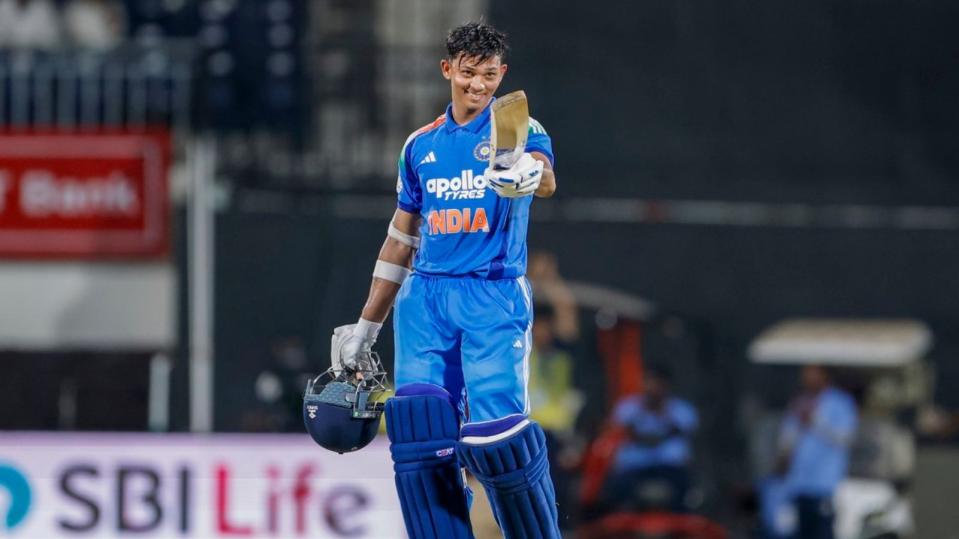
Integrating the teenage sensation today offers an unorthodox mechanism to destabilise the disciplined plans of tactical foes like Moondra. The debutant must be included in the starting eleven immediately. Partnering him with Abhishek Sharma, who deserves to be retained as an opener following his quickfire 50 off 20 balls, gives India a lethal, dynamic launchpad.
As for the incumbent opener, Sanju Samson, coming off a low score, the solution is simple: push the established anchor down to number three. That provides crucial stability. Sooryavanshi can then take full advantage of the powerplay restrictions with his uninhibited strokeplay.
2. Deploying hard-hitting middle order reinforcements
Mid-innings stagnation cost the tourists dearly when Humphreys spun a web around a tentative middle order. The batters failed to rotate strike cleanly against left-arm spin. The required run rate mounted exponentially. Then the tail crumbled entirely.
India need dynamic sweepers who can disrupt the lengths of Humphreys and Hollard to transform the middle-phase scoring dynamic completely. Select players who use their feet proactively against the turning ball. Active strike rotation via sweeps and reverse-sweeps will shift the fielders. Left-right combinations will quickly disrupt the tactical rhythm of the Irish spinners. That avoids another catastrophic collapse when the field spreads out.
3. Restructuring the death overs bowling economy
Conceding 46 runs in just two overs during the late phase of the first match turned a manageable target into an uphill mountain. Harshit Rana impressed with stellar figures of 3/24, but the remaining pace unit bled boundaries as Gareth Delany targeted the arc behind square.
Correcting this defensive flaw requires the immediate deployment of relentless yorker specialists who execute wide lines under pressure. Relying on predictable cross-seam deliveries on a small Stormont outfield invites disaster against clean strikers like Tucker. The bowling unit must overhaul their death-overs execution today. Wide yorkers, slower-ball bouncers, and clearing the front leg out of the equation; it needs sorting out before the first ball is bowled this afternoon.