Expectations were high at Harare Sports Club. Zimbabwe came into this three-match T20I opener believing their knowledge of local conditions gave them a real edge over India. The visitors had lost seven T20Is on the trot under new skipper Shreyas Iyer. Harare has always held a special spot in local cricket folklore.
Every single one of Zimbabwe's three T20I wins against the Indian side happened right on this ground. A fourth victory felt well within reach against a team still searching for its best combination. Dry winter mornings in Harare usually produce a pitch with a bit of grass and moisture, and both captains noted before the start that the deck would carry pace and bounce early on. Blessing Muzarabani and Richard Ngarava had every reason to feel confident.
Sikandar Raza blames early surface moisture after Zimbabwe crash against India
Then the toss happened. India called it right, put the hosts in to bat, and everything unravelled in a hurry.
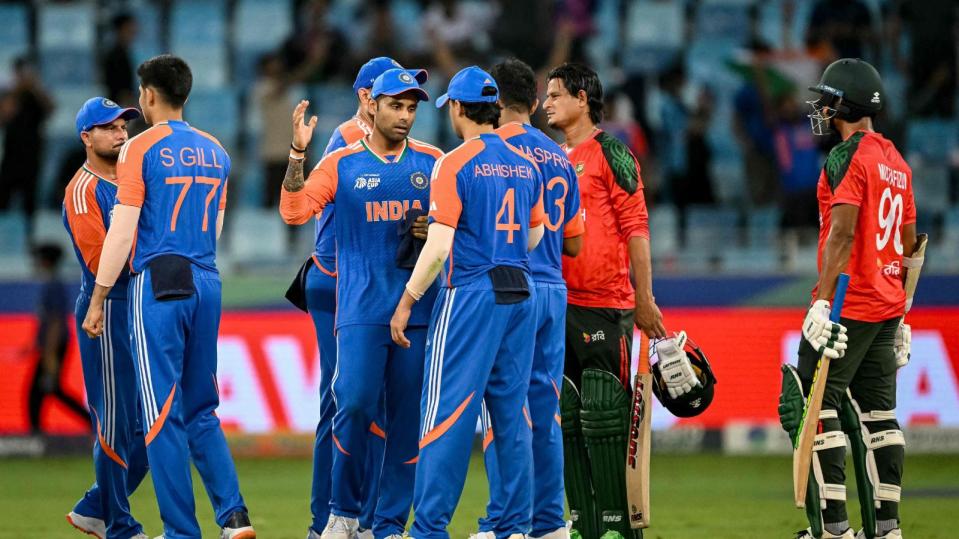
Zimbabwe crashed to 32 for 4 inside the powerplay. Mayank Yadav extracted steep carry from the surface with the new ball, leaving the top order completely at sea. A middle-order fightback from Wessly Madhevere and Tadiwanashe Marumani salvaged some dignity, dragging the total to 125 for 7 after 20 overs. Better than a complete disaster, sure. But against an Indian lineup containing a 15-year-old capable of ending chases single-handedly, that score was never going to stretch the opposition. India coasted home with seven wickets and 40 balls to spare.
Sikandar Raza on the conditions that made batting so difficult
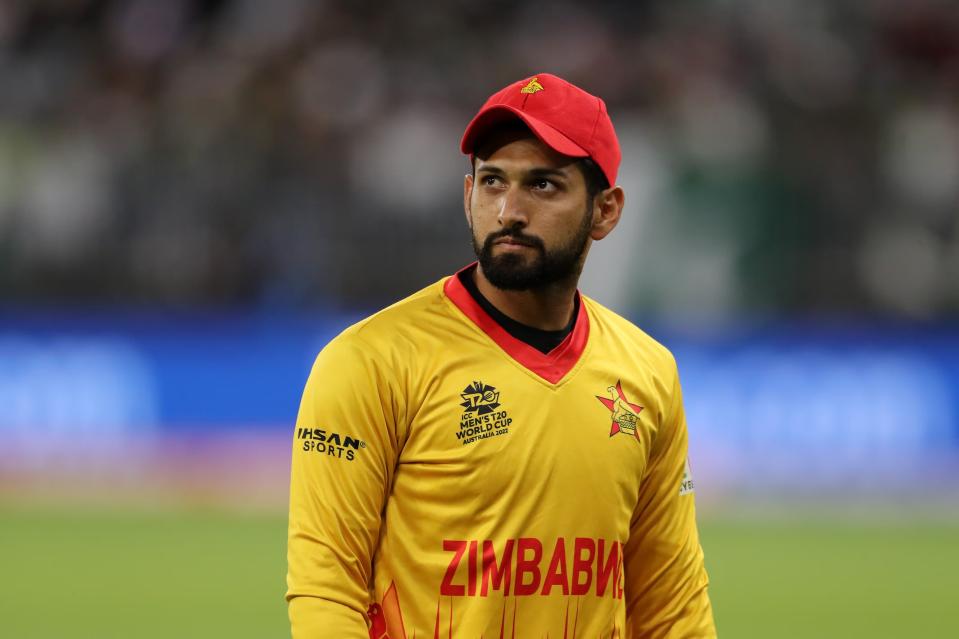
Standing at the post-match presentation, Sikandar Raza didn't try to hide behind excuses. The Zimbabwean captain fronted up immediately, admitting his side fell well short of the standard expected of them. Then came the context. Raza pointed to pitch moisture that stuck around far longer than anyone had anticipated, causing the ball to dart around sharply during the early overs and making it almost impossible for batters to free their arms.
Missing out on powerplay boundaries only compounded the issue. Because the batters couldn't find the rope, the ball stayed in good condition for longer. That extended the period of sharp seam movement on a tacky surface. Raza drew comparisons with the recent ODI series against Bangladesh, where moisture was also a factor early on but cleared up much faster. By the time India walked out to chase, the deck had flattened into a true, even surface where batters could hit through the line with total freedom. Zimbabwe were denied those conditions when they needed them most.
Sikandar Raza finds silver lining despite heavy defeat
It wasn't total doom and gloom for the home side. Raza singled out the middle-order partnership between Madhevere, who made 39, and Marumani, who finished unbeaten on 27, as a genuine positive to carry into the remaining two matches. Both players adapted to unfamiliar batting positions with real composure when the team was under the pump.
Raza wants a far more balanced surface for the second T20I, one where winning the toss doesn't carry such an outsized advantage. Zimbabwe have plenty of fond memories on this ground to draw from, and the skipper knows his team can put on a much better show. Whether the Harare pitch cooperates enough to give their seamers a fair crack at the top order is something nobody can control.
"Not upto the standard. The moisture played part initially and movement off the deck certainly made it tougher. I thought there was a lot of moisture in the Bangladesh series but it didn't stay that long today. When India batted it was coming on nicely. Hopefully we get better wickets in the coming games."