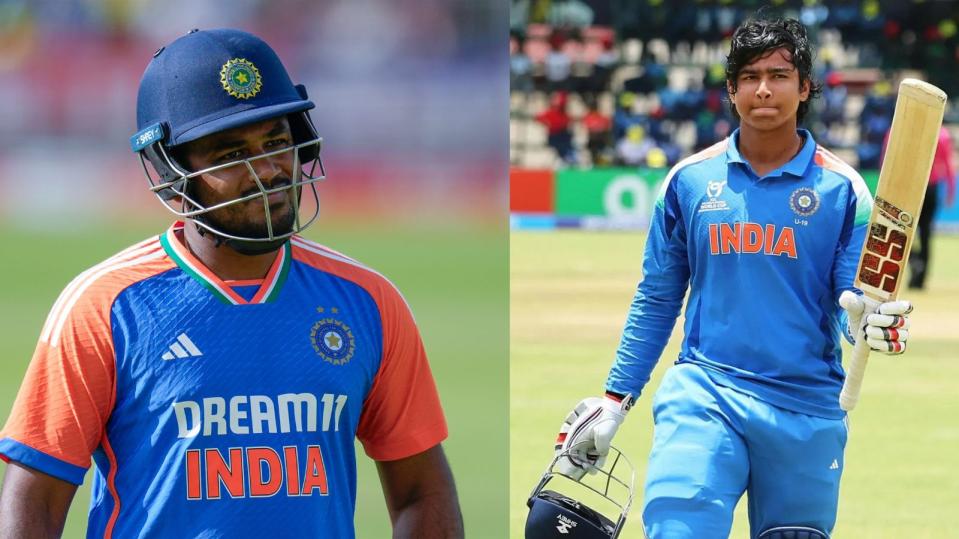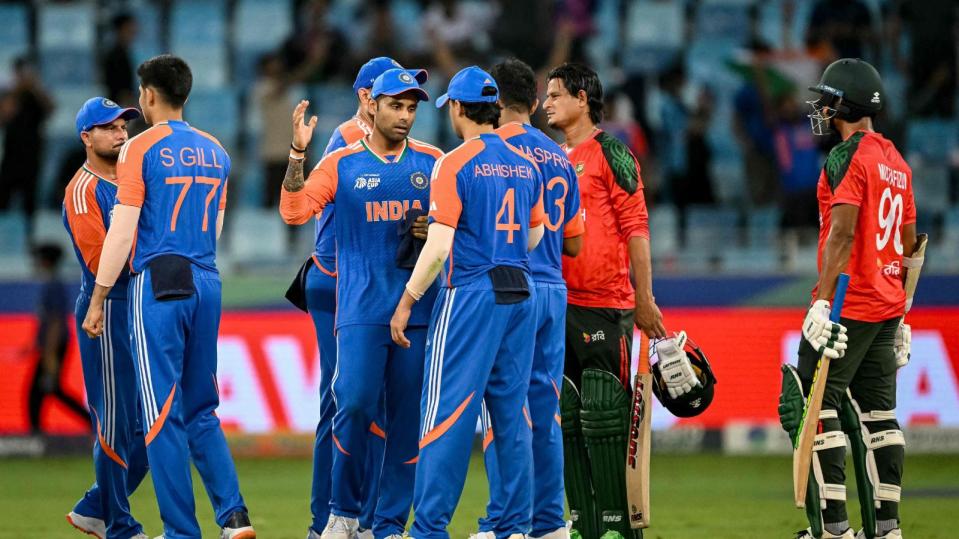
Fourteen months in a deep freeze. That is exactly where cricketing ties between India and Bangladesh have been sitting. What kicked off as a simple scheduling delay back in the summer of 2025 quickly morphed into a messy diplomatic row. Then it bled straight into the sport. India were supposed to travel for a white-ball tour in August 2025. It never happened. The two boards deferred the whole thing to September 2026, a decision that looked neat on a press release but hid months of real bitterness. A disrupted calendar was the least of it. Political hostility took over.
Bangladesh vs India: The long road back to bilateral cricket
Things got ugly during the IPL. Rising anti-India sentiment in Bangladesh, coupled with arguments over religious persecution, forced a breaking point. The BCCI cracked down. They made Kolkata Knight Riders axe Mustafizur Rahman from their squad. That sharpened things. It felt personal to fans. Then came the ultimate snub. Bangladesh refused to travel to India for the T20 World Cup, pulling out entirely and letting Scotland step into their shoes. Just like that, goodwill vanished. Two neighbours sharing a massive border and a frantic obsession with the game suddenly could not agree to play a single match.
Cricket got trapped. It happens when politics takes over. Now, everyone is watching to see if the recent thaw is actually genuine.
BCB push hard as diplomatic climate shifts
July 2026 feels completely different. The tension of last year is lifting, largely because Bangladesh has a new Prime Minister in Tarique Rahman. Things are moving fast now. India has even started handing out tourist visas to Bangladeshi citizens again, which is usually the first real sign that governments are talking. Cricket is following the politicians. Former national captain Tamim Iqbal is running the show as BCB president now. He wants this fixed. Since taking the job, he has been openly driving the agenda to get India back on the pitch.
Tamim is not waiting for permission. The BCB went right ahead and opened the media rights bidding process for their entire 2026-27 home broadcast calendar. The headline act? A six-match white-ball series against India, featuring three ODIs and three T20Is lined up for September. Broadcasters have until 22 July to get their bids in. It is a massive gamble, putting a massive administrative machine into motion for a tour that still lacks official confirmation. But the visa ban lifting gave them the confidence to move.
Over in India, the stance is cautious. BCCI Secretary Devajit Saikia made it clear that New Delhi calls the shots. He noted that the board has nothing to do with internal foreign politics and will just follow whatever directive comes from the central government. Classic administrative talk. Safe. But crucially, he did not say no.
What a September tour would mean
India have a brutal schedule right now. The players are in England for a white-ball series; they have to fly straight to Zimbabwe after, and then there is a Test series in Sri Lanka waiting in August. A short T20I series against Afghanistan was supposed to fill the September slot. Rumours suggest that it is being pushed back to clear the decks for Bangladesh. It is a logistical nightmare. Packing two separate tours into that tiny window requires serious planning, and the BCCI will worry about burning out a squad that is already visiting four countries in two months.
Still, the intent is there. The BCB put the fixtures on their official calendar, and a report from Revsportz points out that the BCCI kept its own post-Sri Lanka schedule completely empty. That looks like a massive hint. Bangladesh is clearly the priority for the autumn window. A BCB source told the Times of India that an official invitation went out to revive the rivalry, and insiders at the Indian board confirmed the paperwork arrived.
Everything depends on the Indian government signing off. Given how quickly relations are warming up, that green light looks far more likely than it did six months ago. The only question left is whether the politicians can move fast enough to get the players on the field by September.