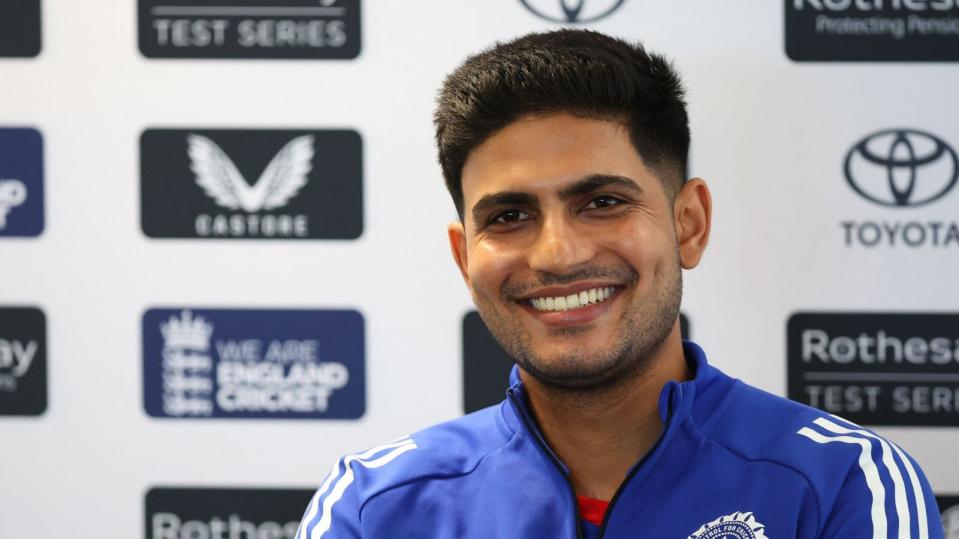
There is a particular kind of frustration that comes from watching a genuinely talented cricket team repeatedly trip over the same structural problem, series after series. India have been living that exact frustration for much of 2026. The tour of England was supposed to offer answers. Real ones. Answers about form, about combination, about whether the management had finally landed on a workable template for the 50-over game. Instead, India lost the T20I series 4-0 and then surrendered the ODI series 2-1. They fielded a bowling attack shorn of Ashwin-era specialist logic and stuffed it instead with multi-format utility men who simply couldn't hold a game together when the squeeze was on.
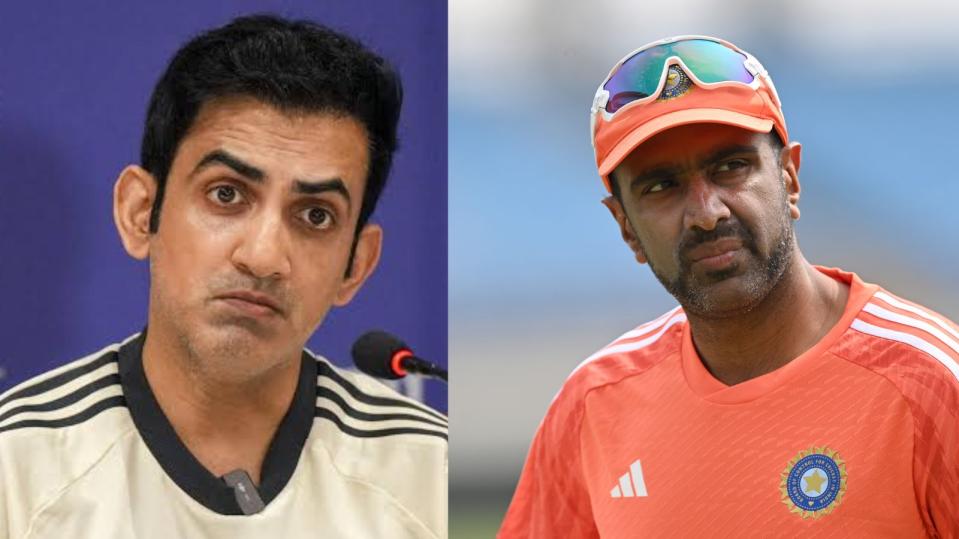
Ashwin's warning shot at Gambhir's India hits a very exposed nerve
It is the combination question that keeps surfacing, like a bad smell in the dressing room. Coach Gautam Gambhir arrived with a clear philosophy, one centred almost entirely on flexibility and multi-utility value. Players who can bat at six and chip in with 10 overs of medium pace. Players who offer options rather than outright excellence. That approach served India reasonably well in the 2025 Champions Trophy, sure.
The system held together just long enough to lift the trophy. But 50-over World Cups aren't the Champions Trophy. Not even close. They are longer, the margins are razor-thin, and opposition analysts have far more time to work out your patterns. Backing a hybrid squad across nine or ten group stage games is a very different proposition to surviving a brief, knockout-heavy event.
Then you have the Hardik Pandya problem. It hasn't gone away. Whether India's best all-rounder can actually bowl a full 10-over quota at the 2027 World Cup remains one of the most consequential uncertainties in Indian cricket right now, yet nobody in the management appears willing to publicly address it head-on. They just cross their fingers and move on.
Ashwin's critique of the bits-and-pieces culture
Ravichandran Ashwin has now called on Gambhir to move away from filling the squad with makeshift all-rounders. It is a genuine concern in the build-up to next year's ODI World Cup, he argues. Speaking on ESPNcricinfo, Ashwin pointed to the 2023 World Cup as a cautionary tale. Remember when Hardik's injury unravelled India's entire plans in the final? But crucially, Ashwin's point wasn't simply about one player. It was about an entire philosophy of building around gaps rather than around core strengths.
He wants a firm line drawn. Ashwin advocated for narrowing the selection pool down to a fixed group of 17 or 18 players immediately. Two keepers, three spinners, five pacers. That is it. Commit to that group for the next 14 months. Rotate within it rather than making reactive calls based on short-term form or whatever happens to be trending on social media. The logic is hard to pick apart. Cohesion doesn't arrive through constant tinkering. It builds through shared time, shared pressure, shared failure. India's dressing room, by Ashwin's reading, currently lacks the clarity that produces those things.
He didn't hold back on the tactical comparison either. Ashwin drew pointed comparisons between the frameworks established under former coach Rahul Dravid and the current approach under Gambhir, urging the management to return to backing proven match-winners over hybrid options. The distinction matters enormously. A specialist off-spinner who can bat a bit is a fundamentally different proposition to a batting all-rounder who bowls off-spin as a secondary skill. India's recent selections have blurred that line horribly, leaving the bowling attack undercooked, particularly in overseas conditions where flat pitches demand genuine penetration.
What Ashwin's 14-month blueprint actually means
Ashwin's proposal isn't radical. Test teams operate on exactly this principle all the time. You pick a core, back them through variance, and let results speak over a sufficient sample size.
The ODI format demands a kind of balance that makes the specialist case harder to pitch to the committee. Selectors get nervous. Management craves insurance. The temptation to carry a sixth bowling option who can also bat at seven becomes almost irresistible to a modern coach.
"Look at the 2023 World Cup, which just fizzled out because Hardik wasn't part of the combination. But the moment it fizzled out, they were not searching and they did not try to play the sixth bowler. They skinned the cat differently and went with five bowlers," Ashwin said on ESPNcricinfo.
Even former heavyweights are taking sides now. Ravi Shastri recently named his own preferred 2027 World Cup squad and, significantly, excluded Washington Sundar and Harshit Rana. Those are two players heavily favoured by Gambhir. Shastri opted instead for Ravindra Jadeja and Mohammed Shami, both of whom have been effectively marginalised by the current management. That contrast tells you everything about the scale of the debate raging behind closed doors right now.
With just over 14 months left before the tournament kicks off, Ashwin's call for an immediate decision on personnel isn't alarmist. It's simple arithmetic.