India’s build-up to the 2026 T20 World Cup now carries a familiar tension, and it sits squarely in their unsettled batting order. The choice of wicketkeeper for the South Africa T20I series drew interest long before the squad assembled, and the moment Rinku Singh missed out, the focus narrowed even further.
With the management favouring a specialist finisher, the selectors leaned on Jitesh Sharma for the opener in Cuttack, and that call extended a pattern India have followed for months.
Although Sanju Samson offers reliable top-order support, Jitesh brings a very different dimension, and both men sit at opposite ends of a debate that rarely quietens.
Yet India continue to view the Vidarbha batter as the ideal fit for the role that Gautam Gambhir prizes. He wants a middle order stacked with players who give him depth with the bat and options with the ball, which leaves one defined finishing slot open.
Because of that, Jitesh keeps returning to the side whenever that spot needs a clear answer, and once again he found himself right back in focus after India’s comprehensive 101-run win.
Then, as the questions shifted from tactics to personalities, he offered an explanation that calmed the conversation.
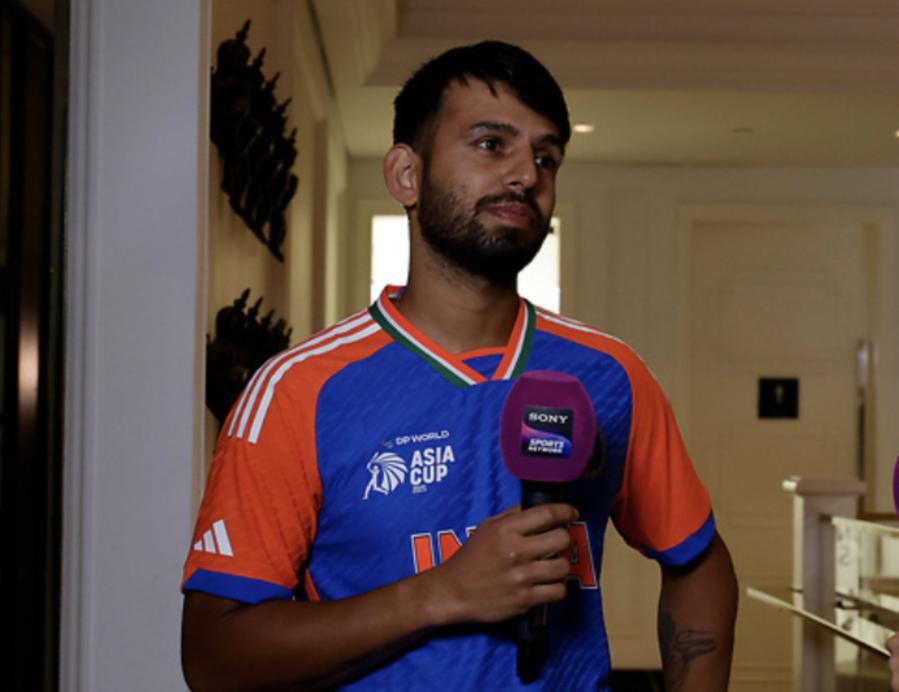
Jitesh addressed the comparison with Samson with the calm of someone who recognises that rivalry and warmth can run together, and he acknowledged that both wicketkeepers have learned to wait for their windows.
Samson held the gloves when Jitesh first arrived on the fringes, and now the situation is reversed, yet the tone between them remains steady.
Furthermore, he described Samson as an elder brother figure and insisted that their rivalry pushes both to sharpen their skills instead of pulling them apart.
He spoke about the value of healthy competition, and he explained how it draws more from a player than any comfort zone ever could. The way he spoke felt honest, and he stressed that the depth around them keeps every player alert.
Finally, he praised Samson’s quality and noted that matching him demands his strongest performances. He framed the contest as something motivating rather than draining, and he reinforced that their conversations often help each other settle or grow.
“Frankly speaking, he is like an elder brother,” he said, before saying that competition between them is not a friction point but a catalyst. “With healthy competition, your talent comes out. It is good for the team also. There is so much talent. You can feel it.”
“Sanju bhaiya is a great player. I have to compete with him, that is when I have to be at my best. We are both trying to play for India. We are like brothers. We share a lot of experience with each other. He helps me a lot. If I have to compete with him, I have to play shoulder to shoulder, then I have to bring my A game.”
In the end, the situation remains simple enough. India may still be unsure about their batting structure, but in these two wicketkeepers, they have honest competitors who can push each other while keeping the dressing room steady.