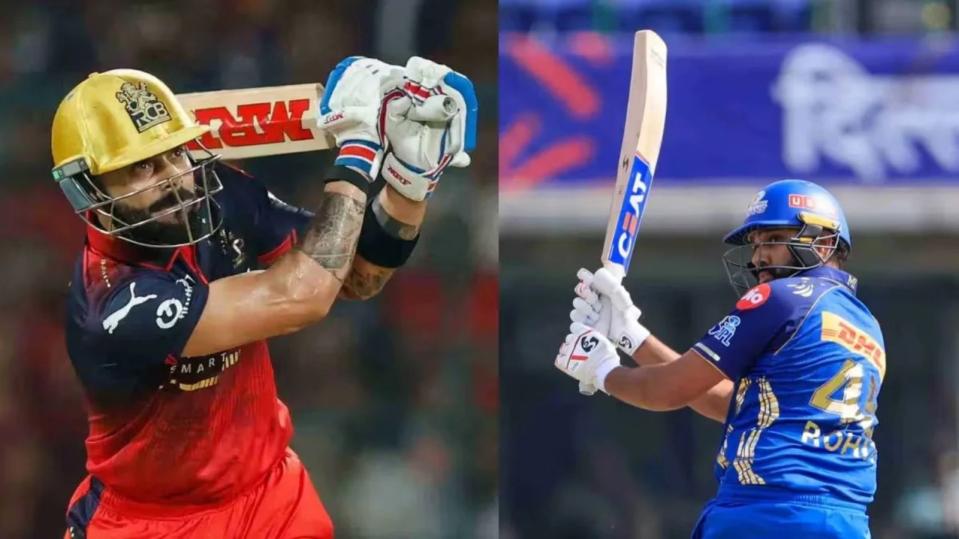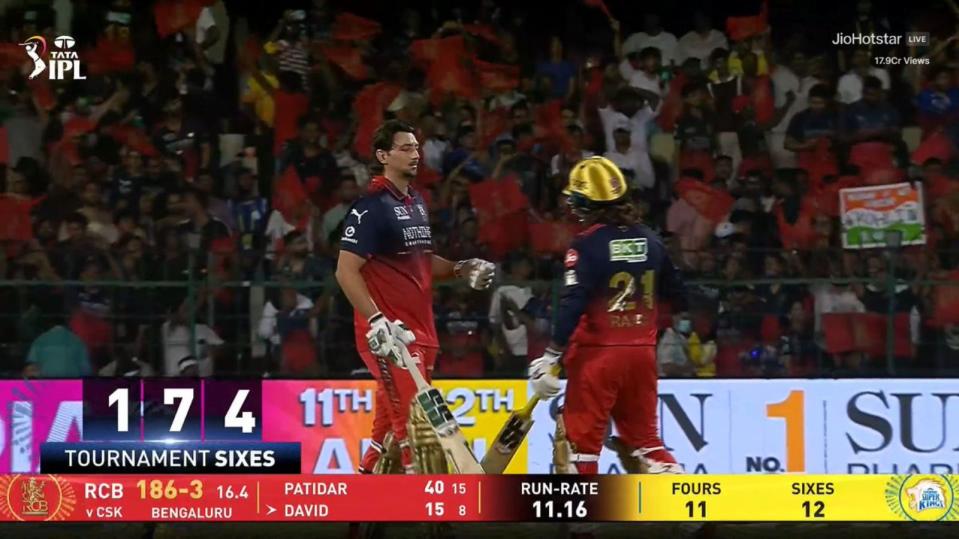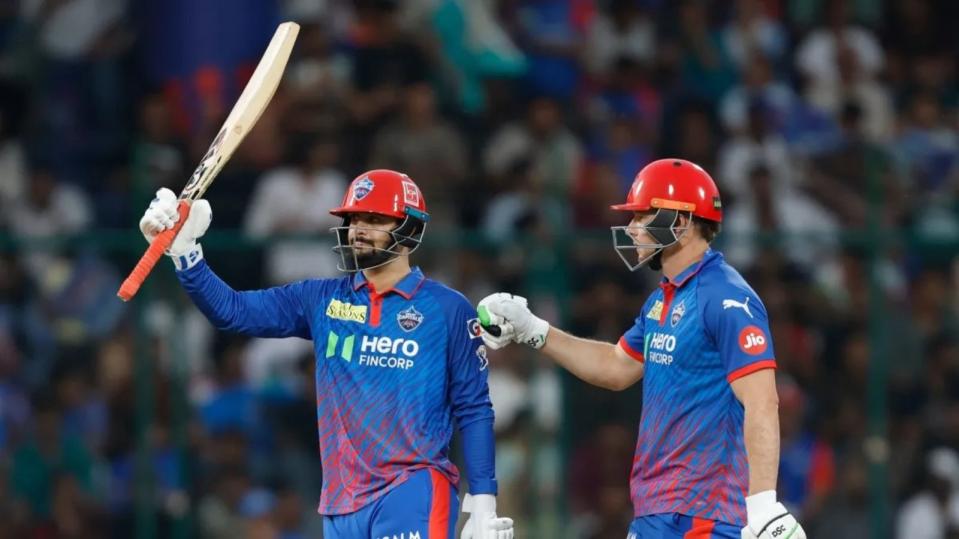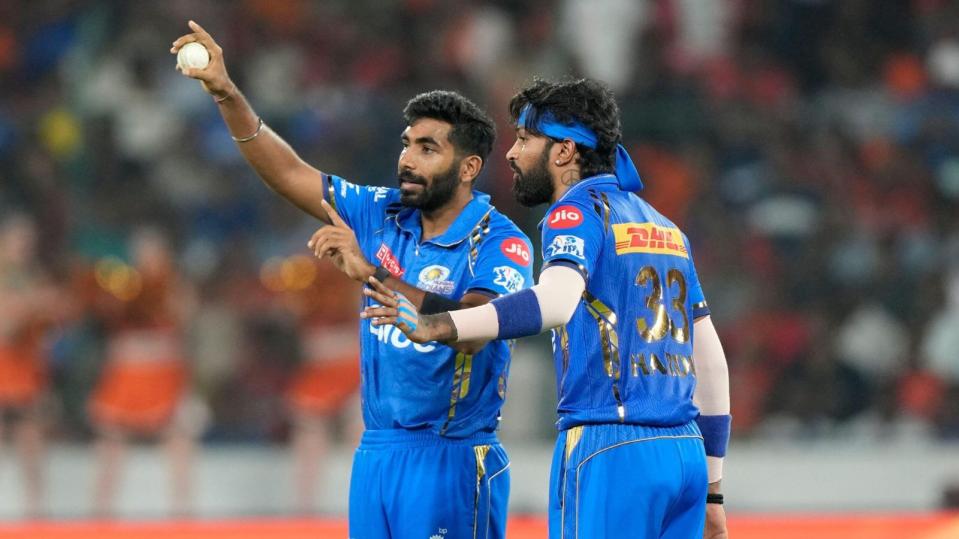
Royal Challengers Bengaluru (RCB) handed Mumbai Indians (MI) their third consecutive defeat of IPL 2026 at the Wankhede Stadium on 12 April, winning by 18 runs in a high-scoring affair that produced over 460 runs across both innings. Phil Salt led the RCB charge with a powerful 78 off 36 balls, putting on a 120-run opening stand with Virat Kohli, who made a steady 50 off 38 deliveries.
Skipper Rajat Patidar then finished the innings with a brilliant 53 off just 20 balls to take RCB to 240 for 4. MI fought back hard, as Sherfane Rutherford smashed an unbeaten 71 off 31 balls and captain Hardik Pandya added a quick 40, but the target of 241 was just too much in the end. Mumbai finished at 222 for 5, and their chase wasn't helped by Rohit Sharma having to retire hurt after scoring 19.
Jasprit Bumrah's stranglehold without the reward of wickets
Against RCB, Jasprit Bumrah bowled four overs for 35 runs without taking a wicket, but he was still MI's most economical bowler on a night when RCB's batters went after almost everyone else. That performance extended what was confirmed as his longest wicketless run in IPL history, five games in a row without a scalp, covering 122 balls bowled. So far this season, Bumrah has 13 wickets from 10 matches at an economy rate of 6.42, which is incredible for a tournament where most pacers are going for big runs. The numbers tell a strange story: he is as tight as ever, but the wickets just won't come at the moment.
Ravichandran Ashwin reframes the debate and raises a deeper point about T20 bowling
Former India off-spinner Ravichandran Ashwin got into the conversation in the debate with a perspective that goes beyond the basic wicket count. Writing on X, Ashwin argued that the focus on Bumrah's wicketless run could actually hurt MI. He suggested that Bumrah's ability to nail yorkers and dry up the runs is far more valuable than a wicket tally, especially at a ground like the Wankhede.
He then moved the discussion toward the mechanics of T20 bowling, pointing out that a bowler who doesn't bowl his overs back-to-back is at the mercy of his partners. Basically, the pressure (or lack of it) from the previous over dictates what a bowler can do next. He went further, noting that even after years of T20 cricket, the concept of bowling in partnerships as a defensive unit is still something most teams haven't quite mastered.
He pointed to an insight from Lasith Malinga around the ten-over mark as the moment that proved this. It is the point in an innings where a bowling group either sticks together or falls apart under pressure.
"The lack of wickets narrative for Bumrah can hamper the team's cause! Him nailing yorkers and choking the opposition for every single run is even more important than him looking to get wickets, especially in venues like the Wankhede.
When you can’t bowl overs on the trot, your wicket-taking ability depends on your partners who hand the over to you. We have had so many years of T20 cricket now & bowling in partnerships as a defensive group is still a seed in the minds of bowling groups. Malinga nailed it when he spoke during the 10th over mark", he said.
Ashwin's point is worth listening to. Jasprit Bumrah keeping his economy under 7 at a ground where 200 is the norm is a massive achievement on its own. MI's real challenge isn't asking Bumrah for more wickets; it’s building a unit around him that creates pressure from both ends. That way, when he gets the ball, he actually has something to work with. Expect the talk around how MI manage their star bowler to only get louder from here.