The ICC Men’s T20 World Cup 2026 kicks off across India and Sri Lanka. The way the ground plays at these five stadiums will decide which captain lifts the trophy. Unlike past tournaments in cooler places, the subcontinent’s February heat and humidity turn these outfields into real tactical battlegrounds.
T20 World Cup 2026: A Tactical Guide to the Venues
The Ahmedabad Winds and Boundary Dynamics
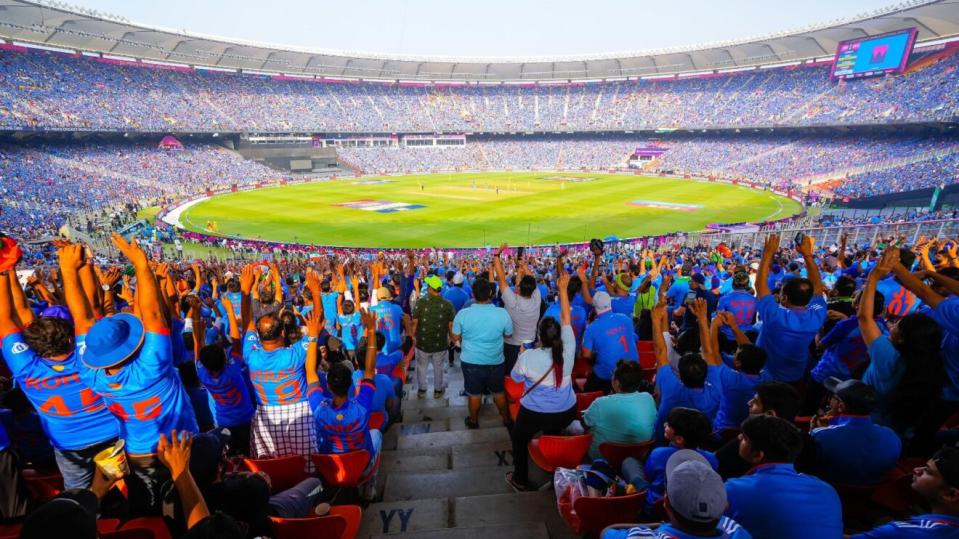
The Narendra Modi Stadium in Ahmedabad throws up a massive physical challenge. Its 132,000-seat bowl shape creates strange wind tunnels. These shifts in the air often trick batsmen trying to clear the long square boundaries at the end of the game.
The sea breeze from the Sabarmati River cools the ground fast after the sun goes down. Because of that, the ball starts to skid off the pitch. This change helps stroke-makers find their timing much better in the second innings.
Spinner Supremacy at Chepauk
In Chennai, the MA Chidambaram Stadium is still the ultimate test for middle-order players facing spin bowling. The red soil here offers a ton of grip. Teams that don’t pick three specialised spinners will likely fall behind during the Super 8 stage.
Kolkata’s Historic Humidity
Eden Gardens in Kolkata brings in a different challenge. Heavy evening dew often makes the white ball slippery for fast bowlers. Smart captains will probably choose to bowl first. This move will save them from the nightmare of trying to defend a total with a soaking wet ball.
The Mumbai Bounce
Mumbai’s Wankhede Stadium stands out from other Indian venues. Its red soil gives the ball true bounce and carry. This stadium rewards aggressive openers. The natural pace of the pitch allows these players to dominate during the powerplay before the heat settles in.
Colombo’s Surface Erosion
Finally, the R. Premadasa Stadium in Sri Lanka has a black soil pitch. This surface breaks up unusually fast in a single T20 match. By the 15th over of the first innings, the pitch often starts to crack. These cracks make the bounce unpredictable, which makes the toss a big deal. The team batting first get to avoid the worst of the crumbling pitch.